

Top 10 Sedation Safety Tips Every Provider Should Follow
As clinical procedures move out of hospital operating rooms and into outpatient settings, sedation has become an increasingly common tool across specialties like dermatology, gastroenterology, plastic surgery, and dentistry. With this shift, administering minimal and...

Why Sedation Training Is Essential for Building Patient Trust
How Sedation Training Builds Patient Trust Patients routinely place their trust in the knowledge and skills of their healthcare providers. For non-anesthesia medical professionals, demonstrating skill and professionalism during sedation is a major component of earning...

How Sedation Certification Can Boost Your Healthcare Career
Adding sedation certification to your list of credentials is a smart move. After all, medical doctors, dentists, dermatologists, plastic surgeons, and GI specialists often perform procedures requiring more than a local anesthetic but less than general anesthesia. Yet,...

Integrating Sedation Training into Emergency ICU Practices
The intensive care unit (ICU) is one of the most demanding environments in healthcare, where fast decisions and impeccable sedation skills can literally save lives. Yet, many ICU providers have limited formal education in sedation techniques specific to emergency and...

Managing Hypertension in Sedation Patients
High blood pressure or hypertension is among the most prevalent chronic conditions affecting adults worldwide. For medical and dental professionals involved in sedation practices, managing hypertensive patients presents unique challenges. Effective blood pressure...

Patient Communication: Explaining Sedation to Patients and Families
Tips for Explaining Sedation to Patients and Families If you’ve recently started offering sedation at your medical or dental practice, you’ve taken an important step to stand out in a crowded market. With this new offering comes the responsibility to communicate...
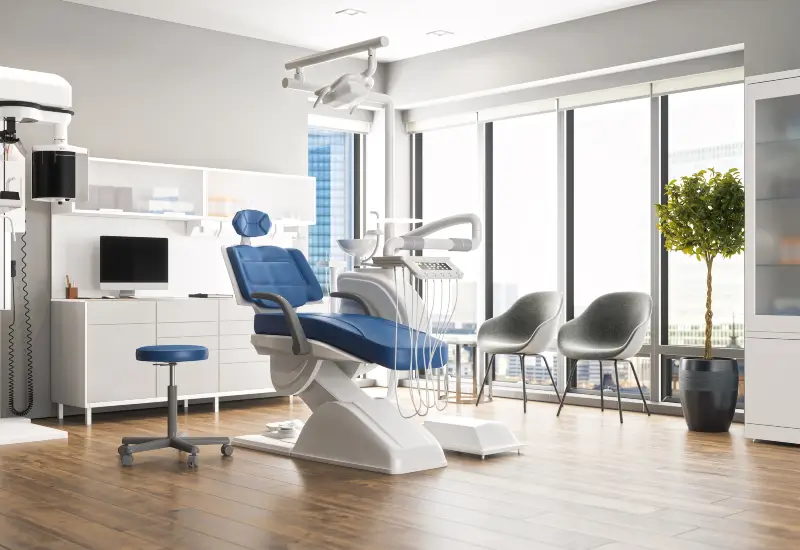
Integrating Sedation into Your Dental Practice
Are you looking to broaden your dental practice’s service offerings to include sedation? Local anesthesia is one thing, but offering minimal and moderate sedation adds an extra level of patient comfort and practice efficiency. Learn more about sedation dentistry, its...

Benefits of Sedation Certification for Plastic Surgeons
Sedation plays a part in nearly all plastic surgery procedures, affecting patient comfort, procedural outcomes, and recovery times. Whether for a minor outpatient procedure or a more extensive surgery, sedation is the cornerstone of patient management. Learn about the...

Conscious Sedation: Frequently Asked Questions
As conscious sedation becomes more commonly integrated into outpatient and clinical settings, it’s increasingly important for healthcare professionals to understand its proper administration, documentation, and regulatory requirements. Here are some of the most...

Sedation in the ICU: Ensuring Patient Comfort
Sedation is vital to ICU patient care, balancing the need for comfort with the demands of intensive medical interventions. Appropriate sedation manages pain, reduces anxiety, and prevents agitation, making it easier for patients to tolerate necessary but often...